

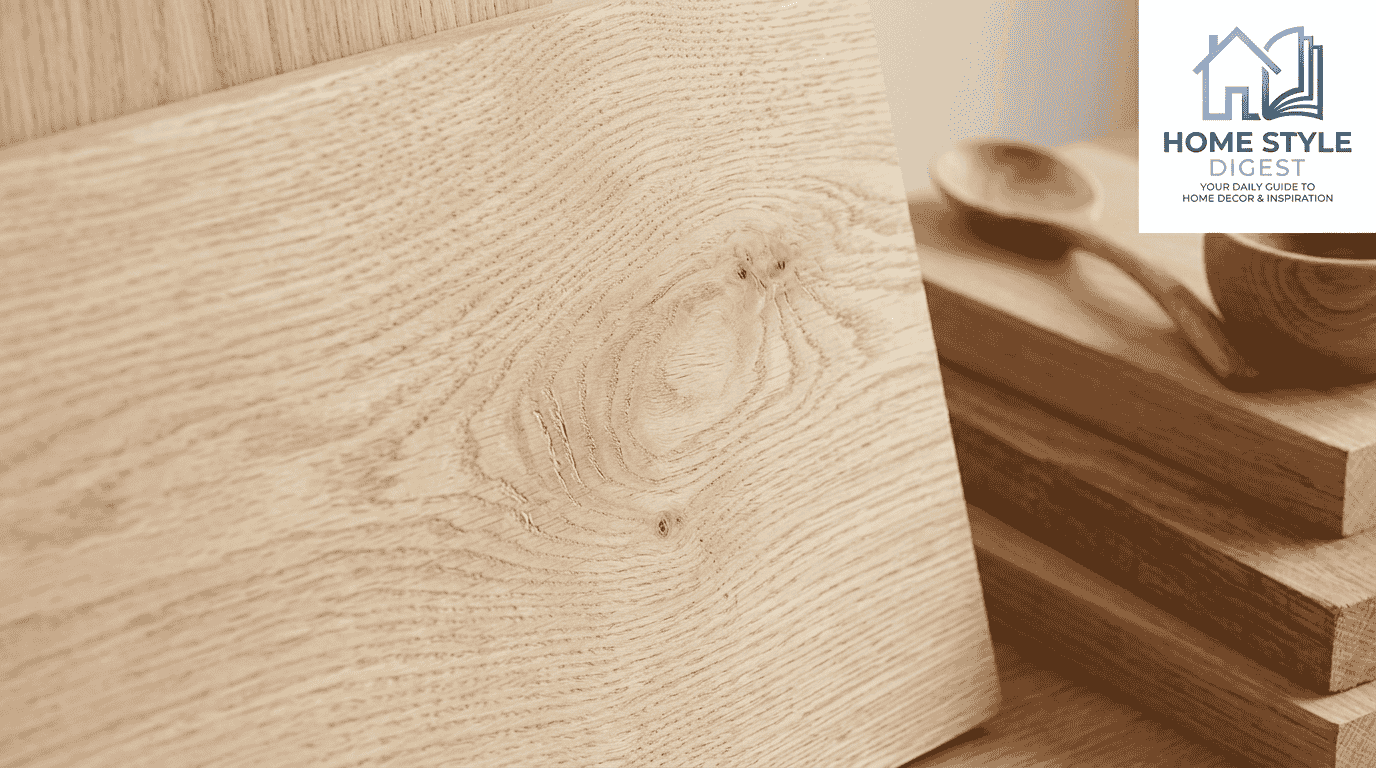
White oak wood is a hardwood known for its durable wood, decay resistance, and refined appearance. This premium material comes from American white oak (Quercus alba) and is valued in the forest products industry for lumber, veneer, furniture, and cabinet making because of its balance of durability and working properties.
- Understanding White Oak Wood And Its Unique Characteristics
- Other Names
- Where White Oak Comes From?
- Appearance
- Physical Properties
- Weight And Density
- Hardness
- Strength
- Durability And Resistance
- Working Properties
- Finishing Characteristics
- Availability
- Common Uses
- White Oak Quick Characteristics
- Wood Selection & Shop Considerations
- Sustainability & Resource Information
- Identification Details
Understanding White Oak Wood And Its Unique Characteristics
White oak wood belongs to the oak wood family and is one of the most respected hardwood species in North America. The tree is part of the Quercus species group, with a botanical name of Quercus alba. It has a strong position in the lumber market because its cellular structure creates natural protection against moisture.
The hardwood species is especially important across the Eastern United States, where mixed hardwood forests provide a steady supply. Professionals in woodworking value this North American hardwood because it combines durability, attractive appearance, and reliable working properties.
Other Names
The scientific name of white oak is Quercus alba, while the broader white oak group includes related trees identified as Quercus spp. The species is also called northern white oak, southern white oak, and American white oak in different commercial regions.
Its botanical classification identifies it as a hardwood tree with a commercially recognized name. Other oak species may share similar characteristics, but white oak remains distinct for its density and resistance.
Where White Oak Comes From?
White oak trees grow across eastern North America, including the United States and Canada. Their natural distribution reaches from northern regions to southern regions near the Gulf of Mexico and parts of the Great Plains.
The tree develops within eastern forests and hardwood forests, making these areas important forest resources. Growth rate, grain texture, and wood characteristics vary according to climate and location. These American forests continue to provide commercially available species for woodworking markets.
Appearance
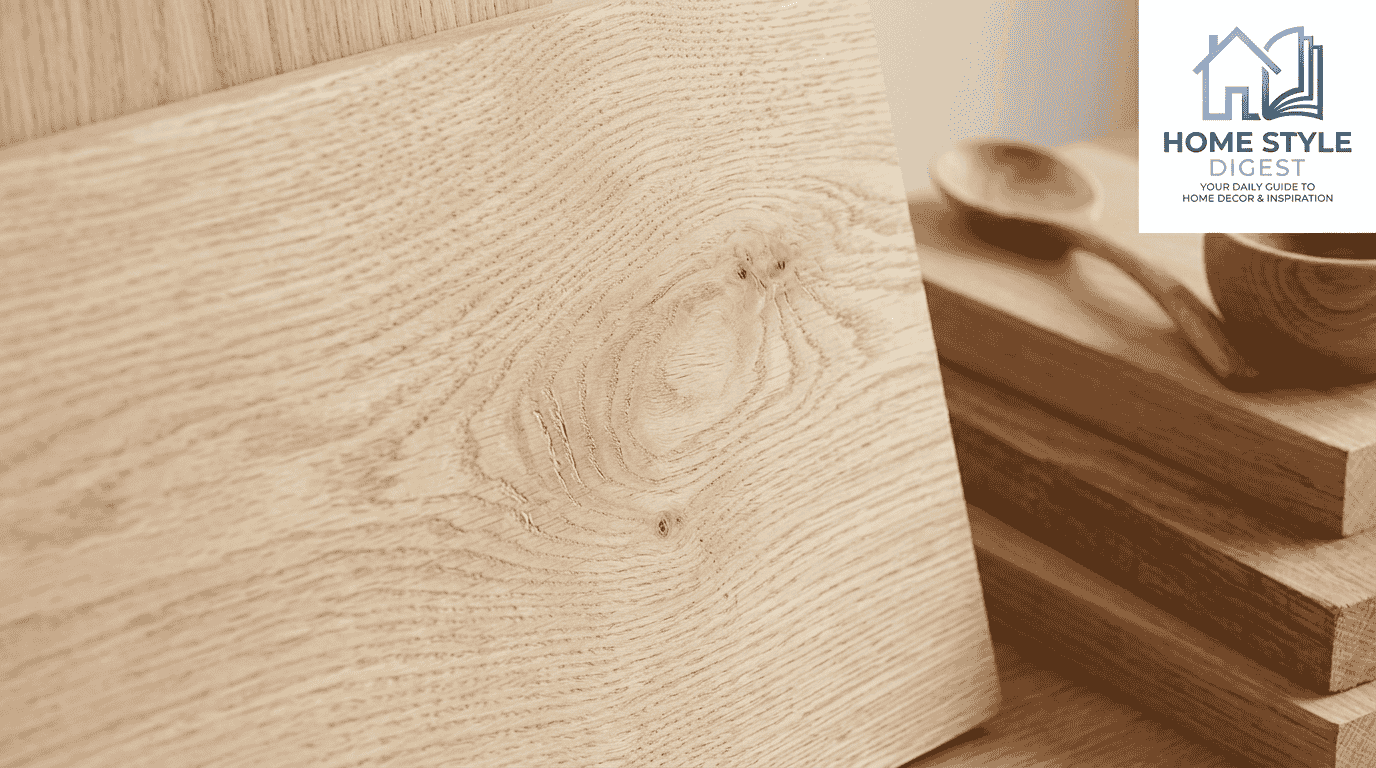
The appearance of white oak is one reason designers select it for premium interiors. The sapwood has a lighter tone, while heartwood usually shows whitish color, light brown, medium brown, dark brown, or tan color variations.
Its grain pattern often features straight grain with medium texture or coarse texture. Medullary rays create ray flecks, especially in quartersawn white oak. Riftsawn material and flatsawn boards reveal different decorative patterns, natural variation, wood figure, and attractive figure that strengthen its visual character.
Physical Properties
White oak physical properties make it a preferred hardwood for demanding applications. It is heavy wood with notable density and strength. Average weight depends on moisture content, while specific gravity influences hardness and performance.
Its Janka hardness, bending strength, crushing strength, stiffness, and strength-to-weight ratio allow it to function as a structural hardwood. Steam bending capability also makes it useful for shaped components.
Weight And Density
White oak weight and density are major indicators of quality. The average weight is commonly measured around 755 kg/m³ to 769 kg/m³ at 12% moisture content.
Its specific gravity of about 0.68 reflects a heavy hardwood with a dense wood structure, which contributes to stability and long service life.
Hardness
The Janka hardness rating of white oak is approximately 1,360 lbf or 6,000 N. This hardness rating places it among durable hardwood options.
Its surface strength and wear resistance help it perform well in flooring, furniture, and high-contact areas.
Strength
White oak provides excellent bending strength, crushing strength, and overall strength. Its strength relative to weight makes it suitable for structural performance.
The combination of steam bending, bending capability, and stiffness allows craftsmen to create curved and load-bearing parts without sacrificing reliability.
Durability And Resistance
White oak durability comes from its natural resistance and dense heartwood. Its cellular structure limits liquid penetration, improving moisture resistance compared with many other woods.
This makes it suitable for outdoor furniture, decking, boat applications, marine applications, and exterior architecture. Historically, wine barrels and whiskey barrels have relied on this long-lasting wood.
Working Properties
White oak working properties are valued in professional workshops. It machines well when prepared correctly and accepts nails, screws, staining, finishing, and sanding.
Because of its hardness, sharp tools and carbide tools are recommended. Woodworkers adjust ripping, feed rates, and routing methods using shallow passes to reduce splintering. Backing boards help protect end grain during machining.
Slow drying and proper seasoning are necessary because defects can appear if moisture leaves the material unevenly.
Finishing Characteristics
White oak finishing characteristics allow many design choices. It accepts stains, finishes, and dyes while preserving natural features such as ray flecks from quartersawn material and riftsawn material.
Pigment stains provide consistent coloration, while clear finishes highlight the natural tan appearance. Exterior finishes add protection through proper surface treatment.
Availability
White oak availability remains strong through sawn lumber and veneer markets. Lumber grades and sizes vary depending on supplier networks and hardwood supply conditions.
Compared with red oak, white oak often receives higher demand, although it remains a commercially available and abundant species with good forest availability.
Common Uses
White oak is used in furniture, flooring, cabinets, doors, architectural millwork, mouldings, paneling, and decorative veneer. It is also common in barrel staves, boat parts, marine parts, structural applications, interior applications, exterior applications, and woodworking projects.
White Oak Quick Characteristics
White oak combines hardwood performance with practical value. Its moderate cost, heavy wood weight, very high hardness, high durability, and high strength explain its popularity.
Straight grain, medium texture, and coarse texture create recognizable style. Although tool requirements may include carbide tools, its outdoor performance, decay resistance, furniture applications, flooring, cabinets, doors, decking, and barrels justify the investment.
Wood Selection & Shop Considerations
Choosing white oak boards requires careful wood selection and shop considerations. Craftspeople inspect seasoning defects, honeycomb, and weakened stock before purchase.
Board inspection helps identify flatsawn grain, riftsawn grain, quartersawn grain, useful grain patterns, proper wood preparation, and overall lumber quality.
Sustainability & Resource Information
American white oak supports sustainability through managed forests and responsible forest management. North American hardwood forests provide renewable resource options when harvest levels are balanced with growth rates.
Supplying regions continue monitoring forest resources to maintain hardwood supply while protecting sustainable forests.
Identification Details
White oak identification depends on several features. It is a ring porous wood with recognizable heartwood shades, including light brown, medium brown, and sometimes an olive cast.
Quartersawn sections reveal ray fleck patterns, while wood anatomy, grain structure, and pores help specialists complete hardwood identification.
