

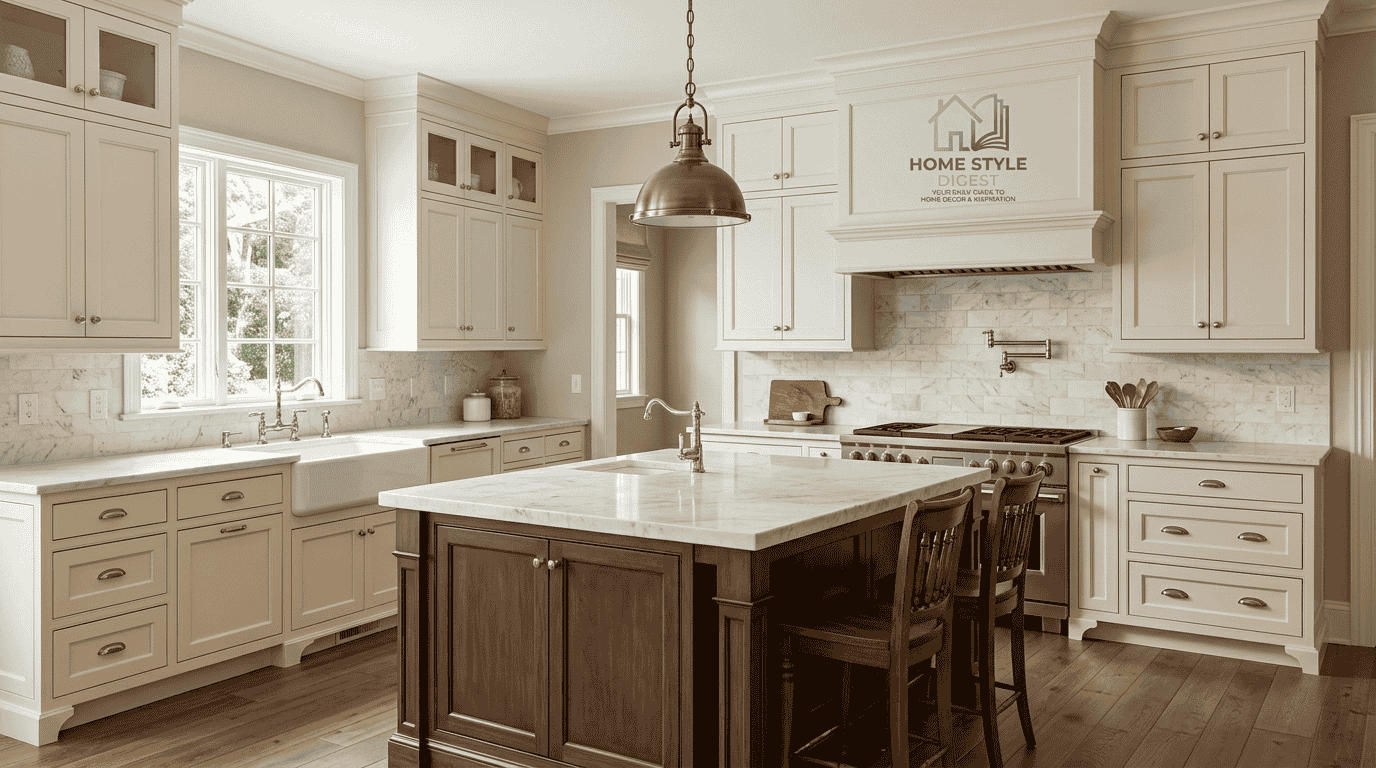
A timeless kitchen design combines long-lasting style with a beautiful space that remains useful through changing tastes. The strongest approach balances functional space, personal design, adaptable style, and intentional decisions, allowing materials, colors, cabinetry, and layout to evolve without losing architectural harmony.
- What Makes a Kitchen Truly Timeless?
- Timeless Kitchen Layout and Functionality
- Timeless Kitchen Cabinetry
- Timeless Kitchen Colors and Color Schemes
- Natural Materials That Create a Timeless Kitchen
- Timeless Kitchen Countertops and Backsplashes
- Hardware, Fixtures, and Lighting
- Mixing Old and New Elements
- Elements to Avoid in a Timeless Kitchen
- A Timeless Kitchen Should Feel Personal
- Respect the Architecture of Your Home
- Furniture-Like Kitchens and “Unkitchen” Concepts
- Hidden Functionality
A successful kitchen does not need to look old-fashioned to feel enduring. In practice, the most convincing spaces combine durable materials, modern functionality, quality craftsmanship, and restrained design choices. The result is a comfortable kitchen that feels both practical kitchen and quietly refined.
Designers often find that expensive finishes matter less than proportion, usability, and consistency. A kitchen becomes genuinely lasting when its elegant kitchen qualities come from decisions that support everyday life rather than decorations selected simply because they are fashionable.
What Makes a Kitchen Truly Timeless?
The most enduring rooms are built around how people actually live. A timeless kitchen can function as a comfortable living space, gathering area, and cooking space without forcing those activities into separate zones.
There is also value in mixing social interaction with visual restraint. Furniture-like elements, artwork, vintage pieces, and warm accessories can provide character while practical design protects beauty, function, and durability.
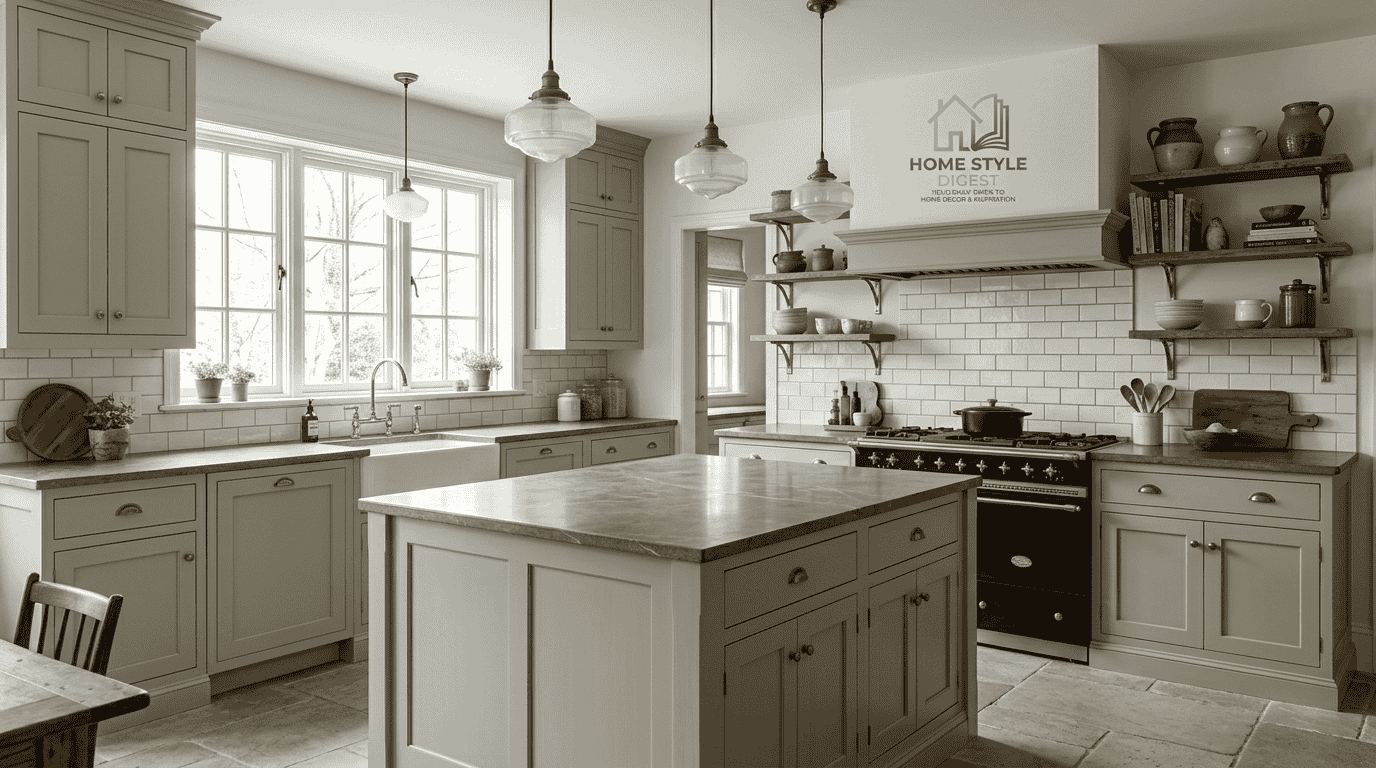
A useful professional test is simple: if a homeowner can imagine the room working beautifully ten years from now, the design probably has personal character, supports everyday life, and combines classic elements with modern conveniences and thoughtful details that create long-term value.
Timeless Kitchen Layout and Functionality
A beautiful room becomes frustrating when its kitchen layout ignores functionality. Designers therefore study kitchen workflow, movement, and storage around real cooking habits, rather than forcing daily routines into a predetermined arrangement.
A practical plan can support gathering without obstructing work zones. Practical storage, an efficient workflow, integrated appliances, and hidden storage solutions help maintain organized countertops while preserving comfortable gathering areas.
The best functional design remains intuitive during everyday use. That attention to usability often contributes more to long-term value than decorative upgrades because a well-planned room continues performing regardless of changing aesthetic preferences.
Timeless Kitchen Cabinetry
Cabinetry establishes the visual rhythm of the room, so kitchen cabinets deserve more attention than fashionable hardware or temporary colors. Restrained cabinet profiles, painted finishes, and wood cabinetry can complement almost any architectural style.
Shaker-style doors remain effective because their proportions are familiar without appearing overly ornate. Inset cabinetry and furniture-like cabinets can introduce classic detailing, while timeless choices favor durable construction and simple designs over trend-specific styles.
Both painted cabinetry and natural wood can age beautifully when their scale suits the house. In that sense, cabinetry becomes the kitchen foundation, supporting the rest of the room instead of demanding constant visual attention.
Timeless Kitchen Colors and Color Schemes
Choosing timeless kitchen colors does not mean making every surface white. Thoughtful color schemes can use neutral colors as a flexible foundation, then introduce white, warm neutrals, soft greens, muted blues, or earthy tones selectively.
Color becomes easier to maintain when it is distributed across cabinets, flooring, countertops, appliances, and accessories rather than concentrated in one statement feature. This allows changing trends to enter through smaller, replaceable elements.
Classic combinations such as white and wood tones, blue and natural materials, green and warm metals, black and white contrasts, or gray and natural textures can remain relevant because they rely on relationships rather than novelty.
Natural Materials That Create a Timeless Kitchen
A timeless kitchen design gains depth when natural materials are allowed to show their character. Durable materials such as natural stone, marble, soapstone, and wood often improve visually through aging gracefully rather than appearing worn.
Hardwood flooring can establish warmth, while handmade tiles introduce subtle irregularity. Unlacquered brass develops patina, and natural surfaces reveal texture and natural variation that manufactured finishes often struggle to reproduce.
The goal is not to make every surface rustic. Instead, organic materials can be balanced against refined details, avoiding a manufactured appearance while preserving classic surfaces that remain practical for modern households.
Timeless Kitchen Countertops and Backsplashes
Countertops and backsplashes receive constant exposure, making durability more important than novelty. Strong durable surfaces should tolerate daily use while retaining enough visual appeal to support the overall composition.
Natural stone, marble countertops, and soapstone countertops offer distinct personalities. For a more familiar direction, classic tile choices, especially traditional subway tile, can provide structure without dominating the room.
Handmade tiles add variation where appropriate, while timeless surfaces, functional materials, and long-lasting finishes make kitchen surfaces easier to live with. The strongest choices look better when they develop ordinary signs of use.
Hardware, Fixtures, and Lighting
Small choices can strongly influence kitchen character. Hardware, fixtures, and lighting should therefore be treated as finishing details, not isolated purchases made near the end of a renovation.
Brass finishes, nickel, chrome, and bronze can all work when their undertones suit the room. Rather than matching every metal perfectly, designers often coordinate finishes through proportion and repetition.
Classic pendant lighting can establish a focal point, while layered lighting supports functionality and atmosphere. Even modest kitchen accessories can reinforce timeless details when they echo the room’s broader material language.
Mixing Old and New Elements
A strong room does not need to choose completely between old elements and new elements. Modern conveniences can coexist with historic details, creating a kitchen that feels established without sacrificing current performance.
Vintage-inspired details, antique furniture pieces, and vintage accessories can sit beside traditional architectural details and modern appliances. Integrated panels can make contemporary equipment visually quieter while classic materials maintain continuity.
The objective is updated functionality with a balanced design. This timeless combination often feels more convincing than a kitchen where every component comes from the same period or design collection.
Elements to Avoid in a Timeless Kitchen
Not every attractive idea deserves a permanent place. Trendy finishes, glossy surfaces, and short-lived color trends can quickly date a room when used across large, expensive areas.
Designers should also question copied designs that ignore home architecture. Decorative choices become problematic when they have sacrificed functionality, especially when temporary styles, excessive trends, or impractical designs dominate decisions.
The practical alternative is selective experimentation. Trend-driven pieces can still appear through inexpensive, replaceable details, leaving permanent surfaces quieter and more adaptable.
A Timeless Kitchen Should Feel Personal
The most successful kitchen is rarely the one that follows a magazine image exactly. Personal style, homeowner preferences, and individual taste should influence the room alongside practical requirements.
A personalized design creates stronger emotional connection because unique character comes from choices that have meaning. A favorite material, inherited object, or familiar color can make a comfortable environment feel genuinely lived in.
That is why meaningful details and personal choices deserve space even in highly disciplined interiors. A kitchen should reflect its occupants rather than become a showroom assembled around fashionable references.
Respect the Architecture of Your Home
A kitchen can be beautiful independently yet still feel wrong inside its house. Home architecture provides useful boundaries, while the existing style can reveal appropriate proportions, materials, and detailing.
Good kitchen design responds to architectural details instead of competing with them. A complementary design can interpret both traditional style and modern style without forcing either approach where it does not belong.
When historical character is respected, the result usually has a more cohesive appearance. A balanced renovation improves function while allowing the original building to remain recognizable.
Furniture-Like Kitchens and “Unkitchen” Concepts
The rise of furniture-like kitchens reflects a desire to soften the conventional workroom appearance. The unkitchen concept treats the kitchen as part of the home rather than a purely utilitarian zone.
A traditional kitchen appearance can incorporate furniture elements, artwork, and comfortable seating without becoming cluttered. Carefully chosen decorative elements help the room connect naturally with surrounding living space.
Through integrated design, the kitchen can develop a relaxed atmosphere and stronger residential feel. This approach is especially useful in open-plan homes where visual continuity matters as much as cooking performance.
Hidden Functionality
The smartest features are often the ones guests barely notice. Hidden functionality can place integrated appliances behind coordinated fronts while concealed storage reduces visual noise.
Organized solutions improve the clean appearance of the room without requiring owners to hide everyday equipment after every meal. Efficient storage can include drawers, internal organizers, and carefully planned cabinets that support practical features.
This form of minimalist design is not about removing useful objects. Instead, a functional kitchen keeps essential tools accessible while allowing the visible composition to remain calm, balanced, and adaptable.
