

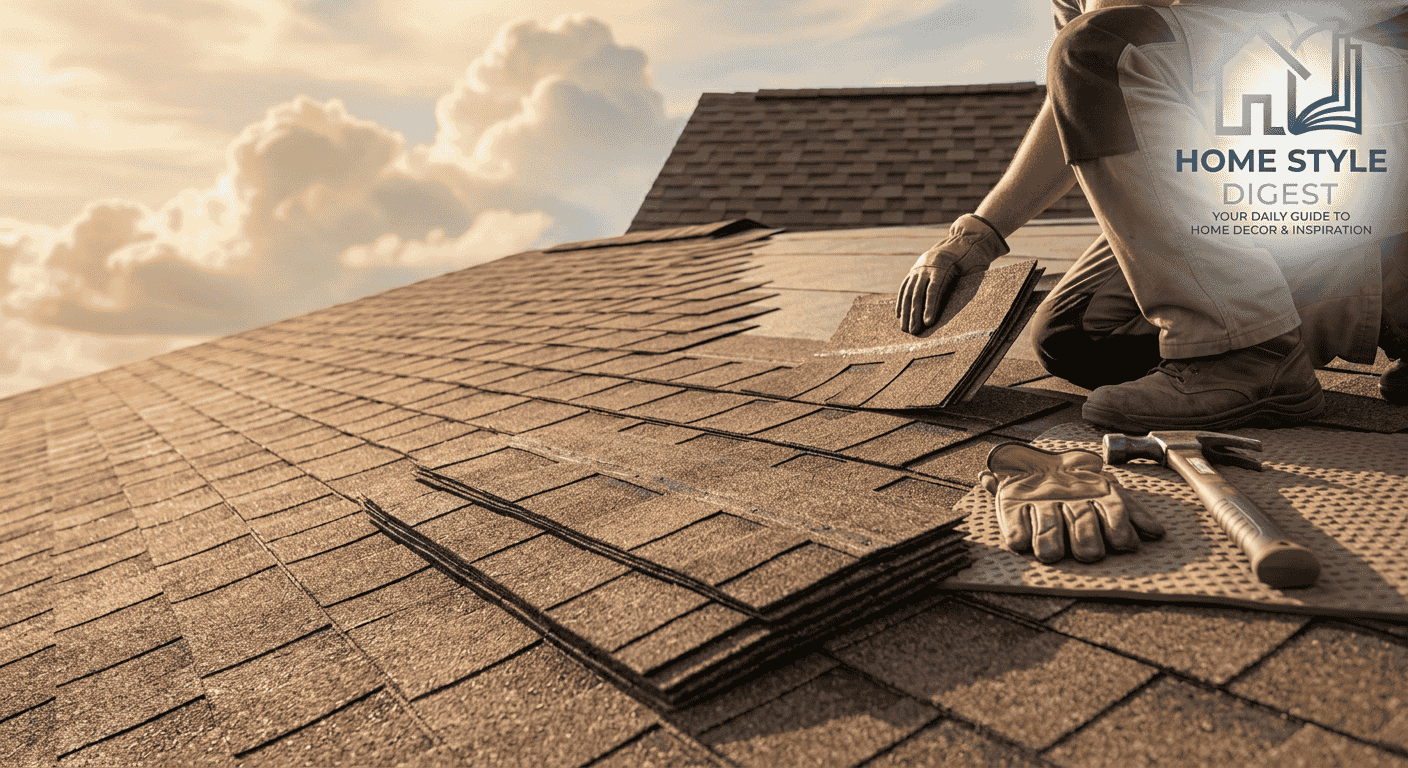
A bundle of shingles is a packaged group of roofing shingles wrapped together by manufacturers for easy transportation, handling, and installation. The roofing material requirements depend on coverage, roof dimensions, product type, and the manufacturer specification printed on the product wrapper.
- What Is a Bundle of Shingles?
- How Many Bundles of Shingles Are in a Square?
- What Is a Roofing Square?
- How to Calculate Shingle Bundles Needed
- Why Aren’t All Shingles Three Bundles Per Square?
- How Much Roof Area Does One Bundle Cover?
- How Roof Size Affects Bundle Calculation
- Waste Factor When Ordering Shingles
- Do Starter Shingles and Ridge Caps Count in Bundle Calculations?
- What Should You Check in a Roofing Quote?
- Frequently Asked Questions
What Is a Bundle of Shingles?
A bundle of shingles is a factory-wrapped package containing asphalt shingles or other roofing shingles. Manufacturers arrange the packaged group for easier transportation, handling, and installation, allowing roofing crews, homeowners, and roofers to manage materials efficiently during different roofing projects.
From practical experience across roofing work, each bundle is designed around predictable coverage and handling rather than simply the number of individual shingles inside. The product packaging helps crews safely transport materials, while the asphalt shingle manufacturer determines how each package can be lifted, moved, and distributed across the roof with a manageable weight.
How Many Bundles of Shingles Are in a Square?
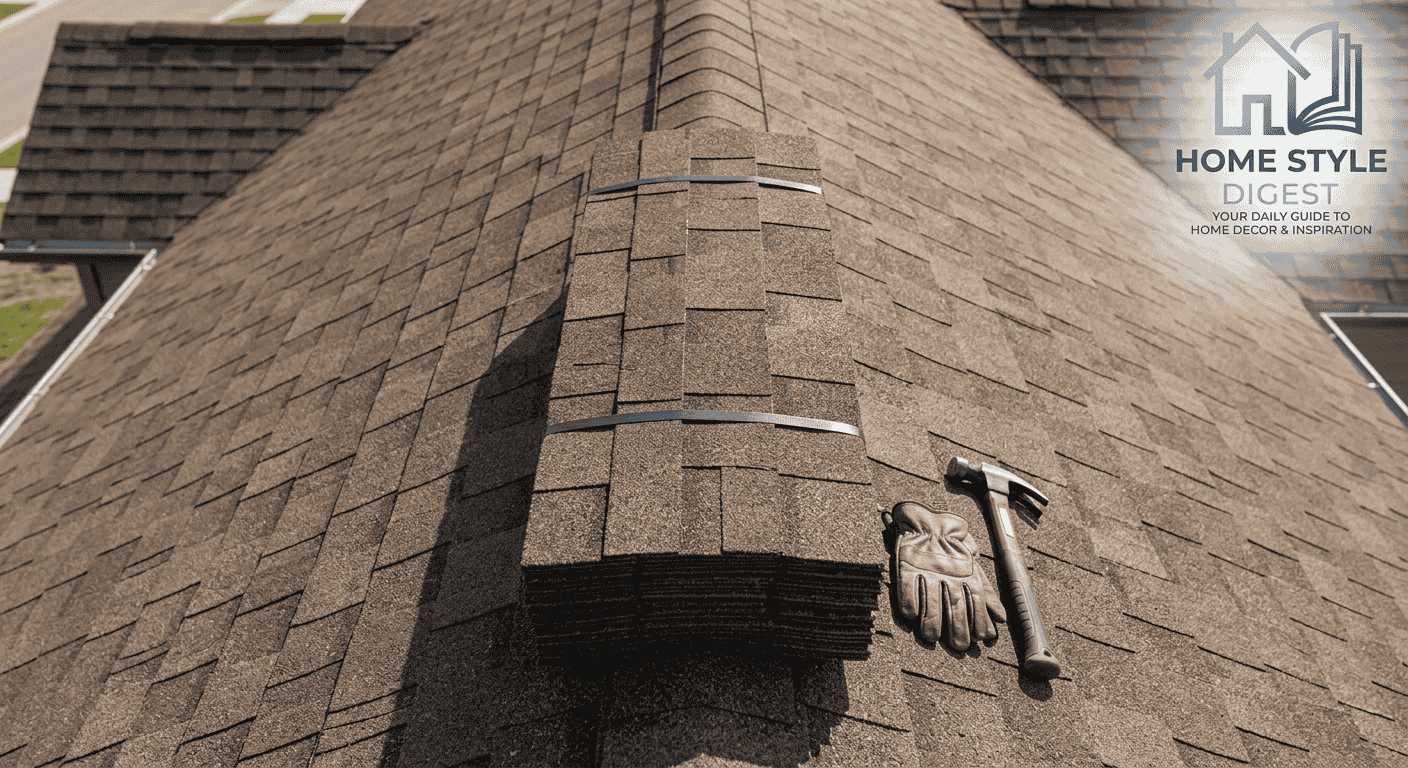
The common assumption is that a bundle of shingles always equals one-third of a roofing square, but that applies mainly to standard asphalt shingles. Traditionally, three bundles cover one square, meaning 100 square feet, while architectural asphalt shingles, premium shingles, and designer shingles may require different quantities.
A roofing professional checks product size, thickness, and coverage specifications before ordering. Depending on the manufacturer and the current specifications printed on the wrapper, 3-tab shingles, laminate shingles, and luxury shingles can provide different coverage per bundle, such as 33 square feet, 25 square feet, or 20 square feet.
What Is a Roofing Square?
A roofing square is a measurement unit representing 100 square feet of roof area or roof surface area. A roof measuring 10 feet by 10 feet contains one square on a flat measurement, although actual roofing calculations become more involved when slopes and multiple sections are present.
Experienced roofers consider roof measurement, roof design, eaves, pitch, attached garages, porches, dormers, and multiple roof levels. Conditioned floor area from a real estate listing cannot automatically establish the roof size because roof shape determines the final roofing calculation, material quantity, and roof coverage used throughout the roofing industry.
How to Calculate Shingle Bundles Needed
The practical method starts by measuring the roof surface and calculating the roof area across every roof plane in square feet. The total is converted into roofing squares by dividing by 100, then matched against the shingle product coverage and manufacturer specifications.
For example, the required quantity comes from bundle coverage, required bundles, and bundles per square using the calculation formula. Partial bundles should normally be round upward, while a waste allowance accounts for cuts and installation conditions. Exact measurement, roofing materials, ordering, and installation requirements should remain aligned.
Why Aren’t All Shingles Three Bundles Per Square?
The familiar three-bundle rule works for many standard asphalt shingles, but not every product follows it. Manufacturers can package differently because thickness, weight, size, and design style influence the coverage area provided by each bundle.
Premium shingles, designer shingles, and thicker shingles may contain heavier shingles, meaning fewer pieces can occupy a package while still producing the intended appearance. Therefore, the number of bundles per square must come from the product specifications, since different roofing materials, asphalt shingles, and construction requirements create legitimate variation.
How Much Roof Area Does One Bundle Cover?
A standard bundle of asphalt shingles commonly covers about 33 square feet, but designer shingles and luxury shingles can cover less. A project requiring four bundles or five bundles per square therefore needs the actual coverage area verified against the product type, roofing material, shingle design, thickness, and stated bundle coverage for the roof surface.
How Roof Size Affects Bundle Calculation
A house’s square footage does not necessarily equal its roof surface area. Actual roof measurements depend on roof pitch, slopes, dormers, valleys, multiple roof sections, attached structures, and the overall roof design. A larger or more complicated roof can therefore require substantially more material than its floor footprint suggests.
The useful figure is the actual roof area in square feet, which drives the roofing calculation, material estimation, and bundle quantity. Roofing professionals assess roofing complexity before finalizing quantities because unusual geometry can alter both coverage and purchasing requirements.
Waste Factor When Ordering Shingles
A waste factor is not automatically evidence of poor estimating. Even a roof made from perfect rectangles generates waste when shingles are cut around valleys, hips, ridges, roof edges, walls, and roof penetrations. A sensible planning allowance protects the installation from material shortages.
Many straightforward projects begin around 10% waste, while complicated roofs may approach 15%. Roof complexity, simple roofs, complex roofs, multiple sections, and dormers influence the final waste percentage. That percentage should be included in the material calculation rather than added casually after ordering.
Do Starter Shingles and Ridge Caps Count in Bundle Calculations?
Starter shingles, ridge caps, and field shingles perform different jobs within the roofing materials package. They are roof components requiring separate calculations, rather than automatically being treated as identical quantities. Underlayment, flashing, vents, and fasteners also belong to the broader material plan.
A quote should distinguish field shingle bundles from other roof components and installation materials. Treating every package as interchangeable can distort the expected roofing system requirements, particularly when specialty components are purchased separately.
What Should You Check in a Roofing Quote?
A professional roofing quote should clearly show the bundle count, roofing estimate, and measured roof area in roofing squares. The manufacturer, product line, and product specifications should identify the expected bundles per square, while the stated waste percentage should explain additional material.
The paperwork should also specify starter shingles quantity, hip shingles, ridge shingles, underlayment, flashing details, and ventilation requirements. Beyond material quantities, disposal, decking terms, roofing project scope, material costs, and installation details deserve attention before work begins.
Frequently Asked Questions
These frequently asked questions address common FAQs about roofing information, including the bundle of shingles, roofing square, coverage, calculations, materials, and installation. The practical value lies in checking product-specific information rather than relying on one universal roofing number.
How Many Bundles of Shingles Are in One Square?
A bundle of shingles generally covers one-third of a one square when using standard architectural asphalt shingles, so three bundles commonly equal one roofing square. However, premium products and designer products can require four bundles, five bundles, or six bundles depending on manufacturer specifications and coverage requirements.
How Many Square Feet Does One Bundle of Shingles Cover?
Coverage depends on the product, but a standard bundle often covers around 33 square feet. Designer shingles and luxury shingles may provide less coverage, changing the bundles per square needed. The safest approach is to follow product specifications, compare them with the roof area, and confirm the intended quantity for the selected asphalt shingles.
How Many Bundles Do I Need for a 2,000-Square-Foot Roof?
For a 2,000-square-foot roof, the roof area equals 20 roofing squares. With standard architectural shingles requiring three bundles per square, the basic calculation is 60 bundles. A contractor should then add the appropriate waste allowance, commonly 10% or 15%, before determining the final quantity required for roofing calculation and material ordering.
